Live Science - 15 Jan 2025 21:44

The FDA will no longer allow red dye No. 3 in foods or ingested drugs, citing evidence that high doses of the dye can cause cancer in male rats. There is no evidence it's carcinogenic in humans.
Phys.org - 15 Jan 2025 23:43

A joint research team from Hefei Institutes of Physical Science of the Chinese Academy of Sciences has successfully developed a continuous cryogenic pellet injection system for tokamak fueling. This innovative system add...
New Scientist - 15 Jan 2025 23:30

The shipping industry is planning to swap some fossil fuels for green ammonia - but that could create a major new source of nitrogen pollution
Phys.org - 15 Jan 2025 21:35

A new analysis of data from the PHENIX experiment at the Relativistic Heavy Ion Collider (RHIC) reveals fresh evidence that collisions of even very small nuclei with large ones might create tiny specks of a quark-gluon p...
Live Science - 15 Jan 2025 20:43
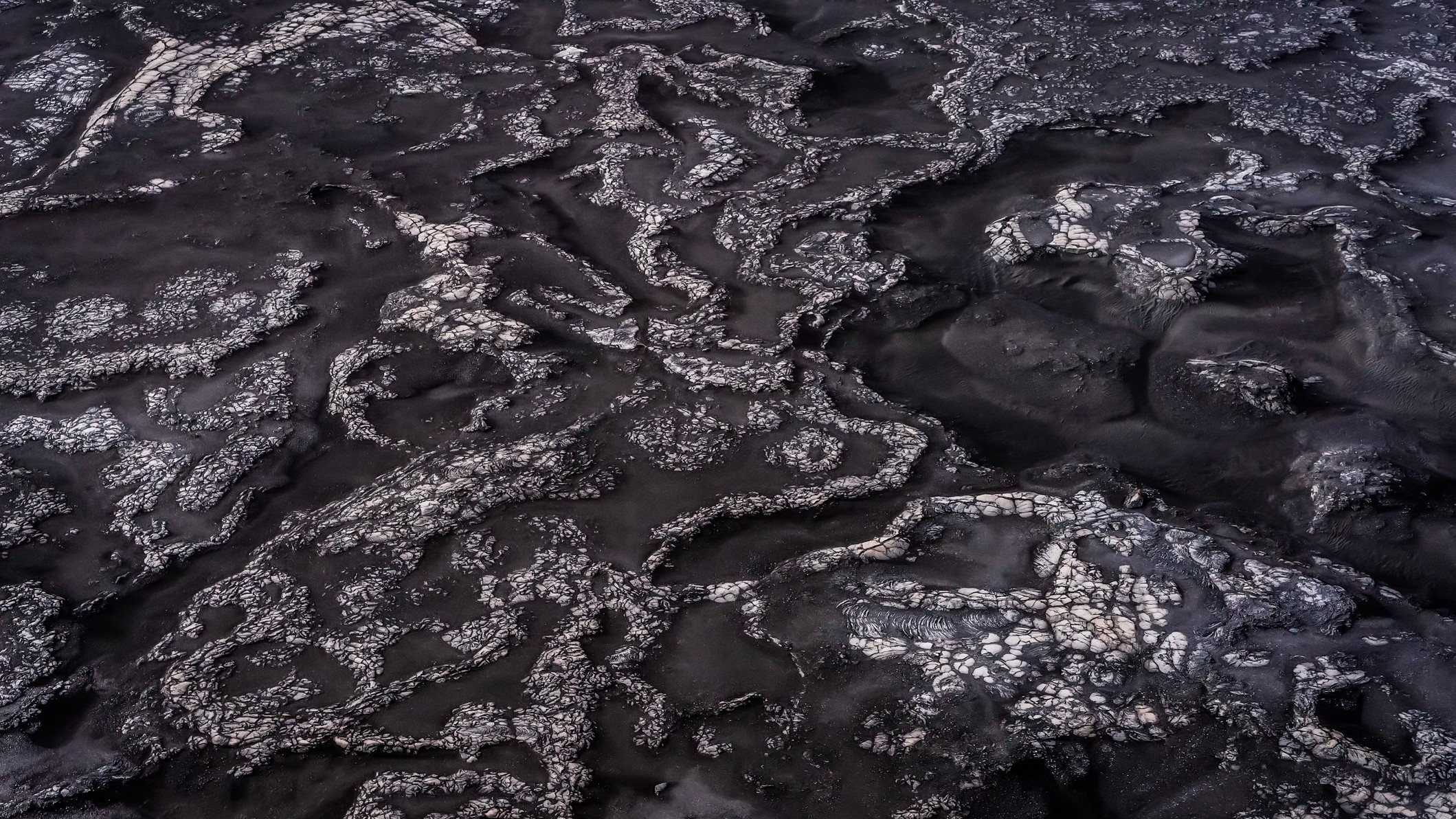
The Bárðarbunga volcano system was responsible for Iceland's largest eruption for 300 years back in 2014. After a recent increase in seismic activity, could it be about to erupt again?
Neuroscience News - 15 Jan 2025 20:42

A new study identifies neurons in the hippocampus that store food-specific memories, directly influencing overeating and body weight. These neurons, which encode memories for sugar and fat, act as "memory traces" that dr...
Phys.org - 15 Jan 2025 20:30

Attosecond science, the laser-led study of what happens to matter over very short timescales, could lead to major advances in our understanding of nature's fastest processes.
Neuroscience News - 15 Jan 2025 20:21
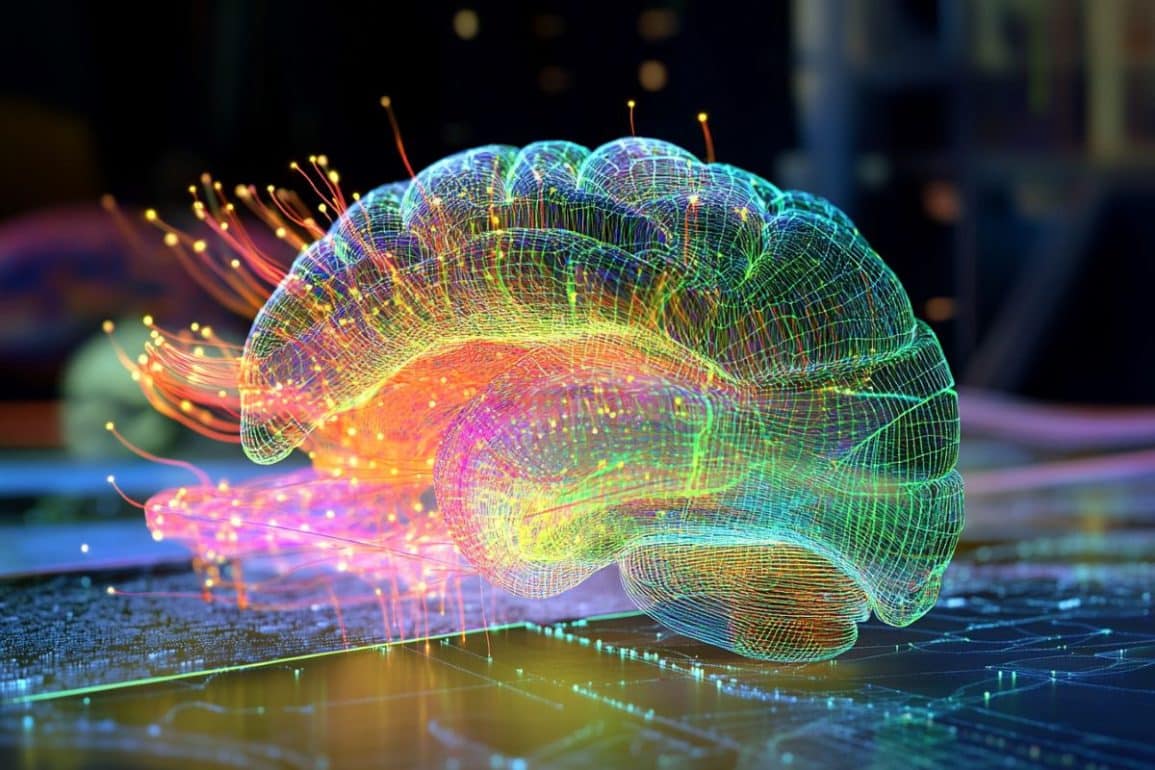
Researchers have developed a model explaining how place cells in the hippocampus anchor both spatial and episodic memories. Grid cells in the entorhinal cortex interact with hippocampal cells to create a scaffold, linkin...
New Scientist - 15 Jan 2025 20:00

From windswept craters to frigid ice caps, explore Martian landscapes through the eyes of NASA's orbiters, probes and rovers
New Scientist - 15 Jan 2025 20:00

This month marks a year since the malaria vaccine rollout began. Here's what we still need in order to beat a disease as old as ancient Egypt, says Azra Ghani
New Scientist - 15 Jan 2025 20:00

A series of events, from the California wildfires to evidence we passed 1.5 degrees last year, suggests wild weather will become even more common
New Scientist - 15 Jan 2025 20:00

Neurologist Adam Zeman's excellent exploration of the power and complexity of our imaginations literally needs more space to house all its riches
New Scientist - 15 Jan 2025 20:00

Our Future Chronicles column explores an imagined history of inventions and developments yet to come. In its latest instalment, Rowan Hooper reveals how by 2029, we had learned how to make synthetic spider silk, leading ...
Live Science - 15 Jan 2025 18:48

Antarctica's Filchner-Ronne Ice Shelf may be under threat due to relatively warm water from the deep sea flowing towards the shelf. Is climate change to blame?
Live Science - 15 Jan 2025 18:22
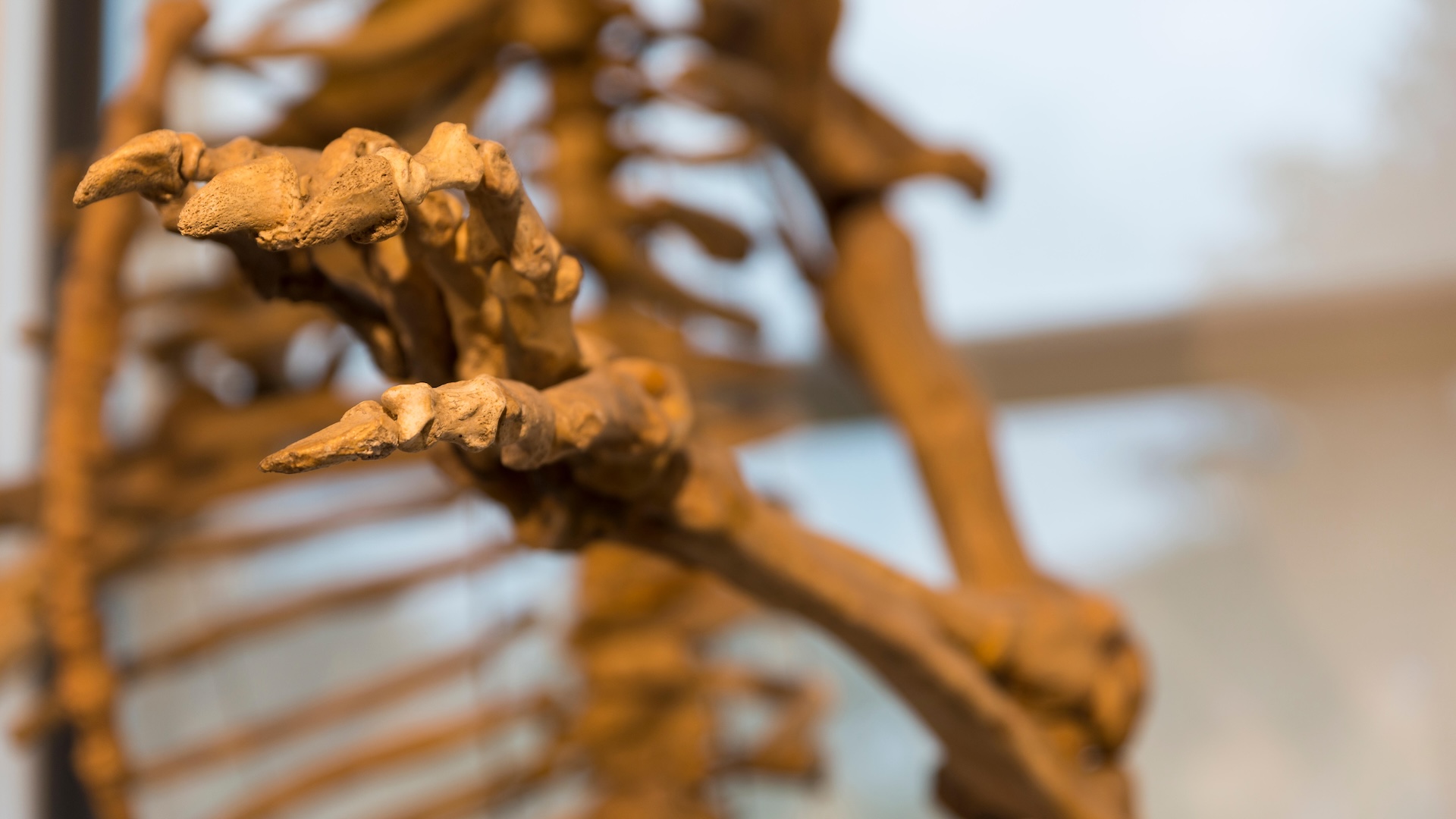
The bone fragments were once thought to be some of the oldest human fossils found in Japan.
Phys.org - 15 Jan 2025 18:10

A team of researchers from GSI/FAIR, Johannes Gutenberg University Mainz, and the Helmholtz Institute Mainz has succeeded in exploring the limits of the so-called island of stability within the superheavy nuclides more p...
New Scientist - 15 Jan 2025 18:00

Genetic evidence from Iron Age Britain shows that women tended to stay within their ancestral communities, suggesting that social networks revolved around women
Phys.org - 15 Jan 2025 18:00

A research team has achieved multilevel spin-based modulation of magnetoresistance in high-performance organic spin valve (OSV) devices. The study was published in Advanced Materials.
Phys.org - 15 Jan 2025 18:00

Researchers at Durham University have successfully demonstrated long-lasting quantum entanglement between molecules, opening new doors for future advancements in quantum computing, sensing, and fundamental physics. The p...
Live Science - 15 Jan 2025 18:00
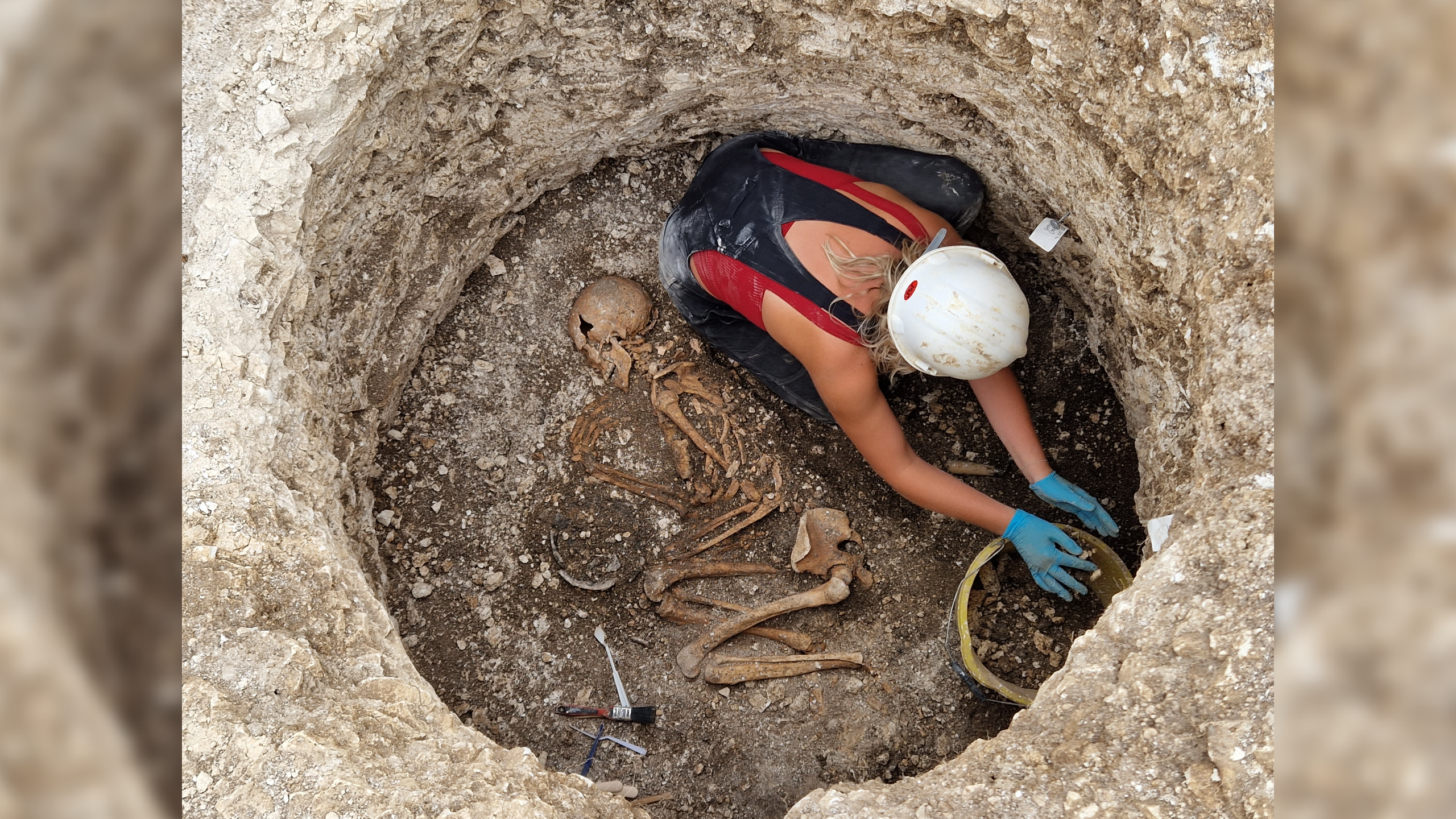
An analysis of dozens of British Iron Age skeletons has revealed that Celtic society was organized around women.
New Scientist - 15 Jan 2025 18:00

Scientists are scrambling to understand how climate change may be interfering with the winds that carry our weather, with potentially catastrophic consequences
Live Science - 15 Jan 2025 17:22

The newly discovered "blazar," which has a mass equal to 700 million suns, is the oldest of its kind ever seen and changes what we know about the early universe.
 American
Science News for 15 January 2025
American
Science News for 15 January 2025
 Global
 Great Britain
 Indian
 South Africa